Every Silly Has a Silly Lining
The Sweet Pea Vine
THE SWEET PEA VINE
Every Silly Has a Silly Lining
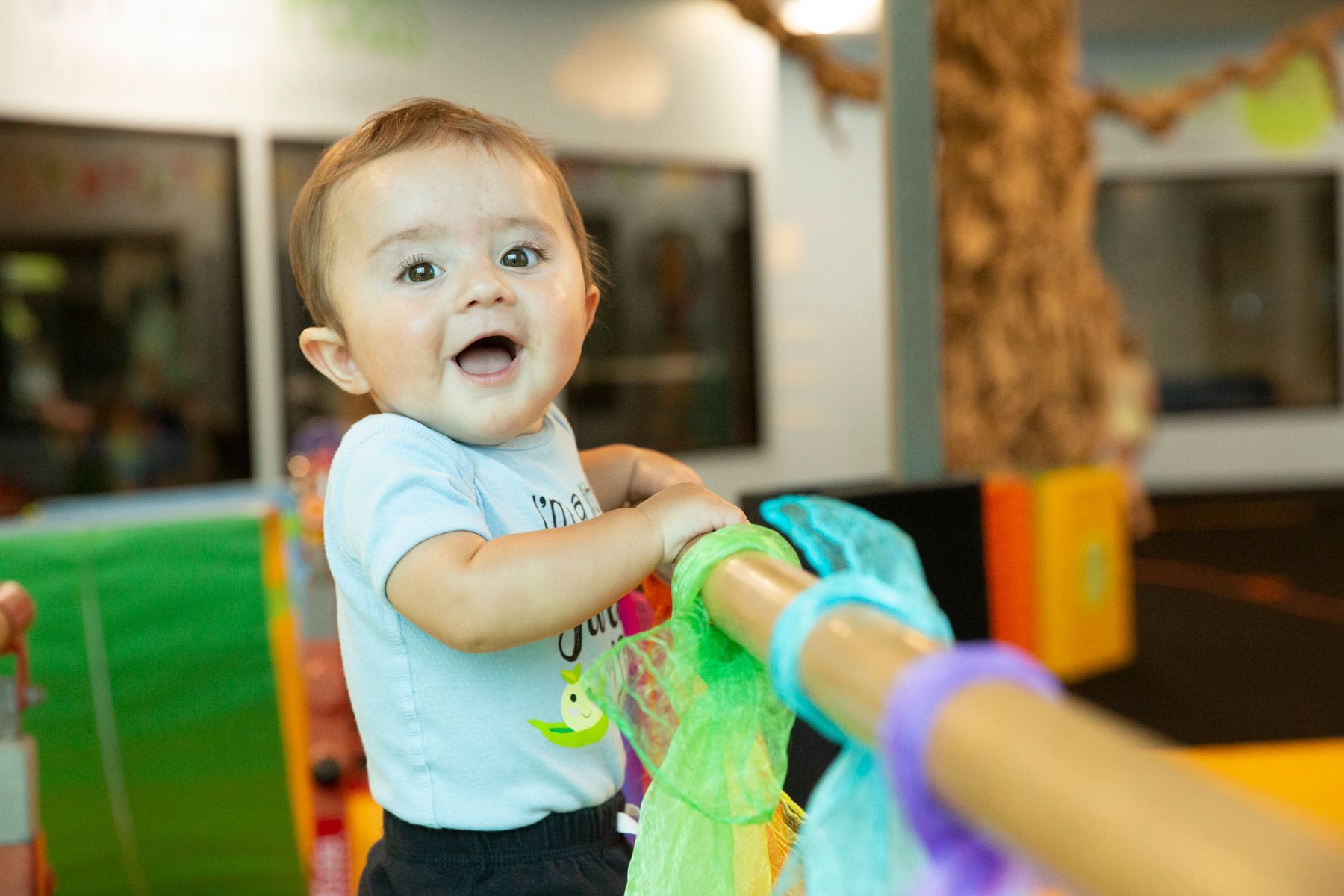
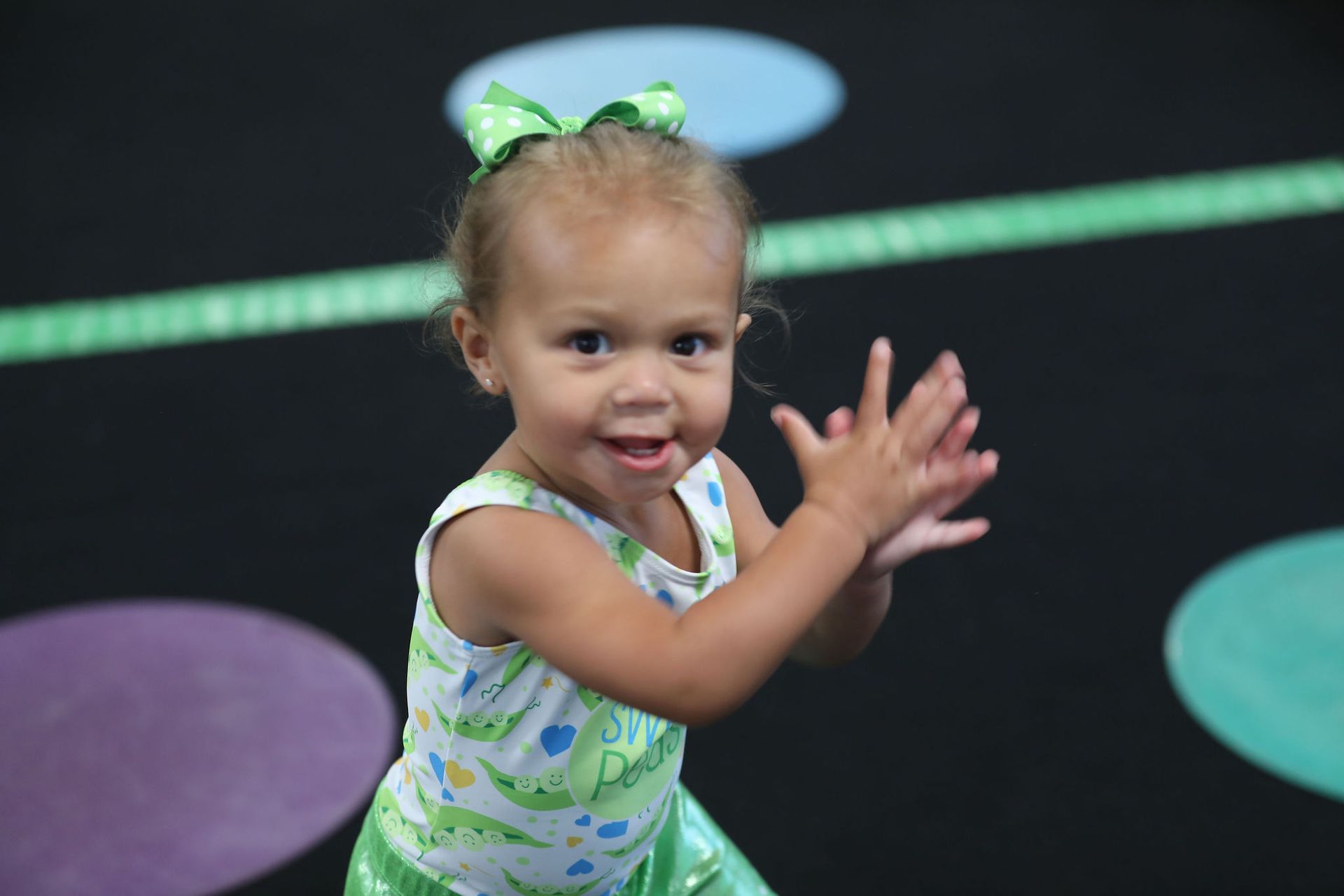
Somewhere in the rigors of childhood Little Ones become increasingly self-aware, a bit more self-inhibited and definitely less likely to brave the risk of being judged by others. Somewhere in early childhood, we lose our silly factor. We want to change that. And for good reasons. Turns out, being silly is really important!
Cut to the Silly!
We’ll get right to it! Being silly has amazing physical, cognitive, and social benefits.
• Being silly relieves stress and reduces anxiety.
• Being silly can help children cultivate coping mechanisms.
• Laughter releases healthy endorphins, boosts immunity and lowers cortisol.
• The narratives of being silly promote creativity, language development and literacy.
• Children with more developed senses of humor score higher on tests of intelligence and creativity.
• Being silly and playful helps children become more observant, innovative and improves problem solving skills.
• Children who learn to find humor in frustrating situations are better able to weigh perspective and determine and prioritize appropriate responses.
This month in Sweet Peas
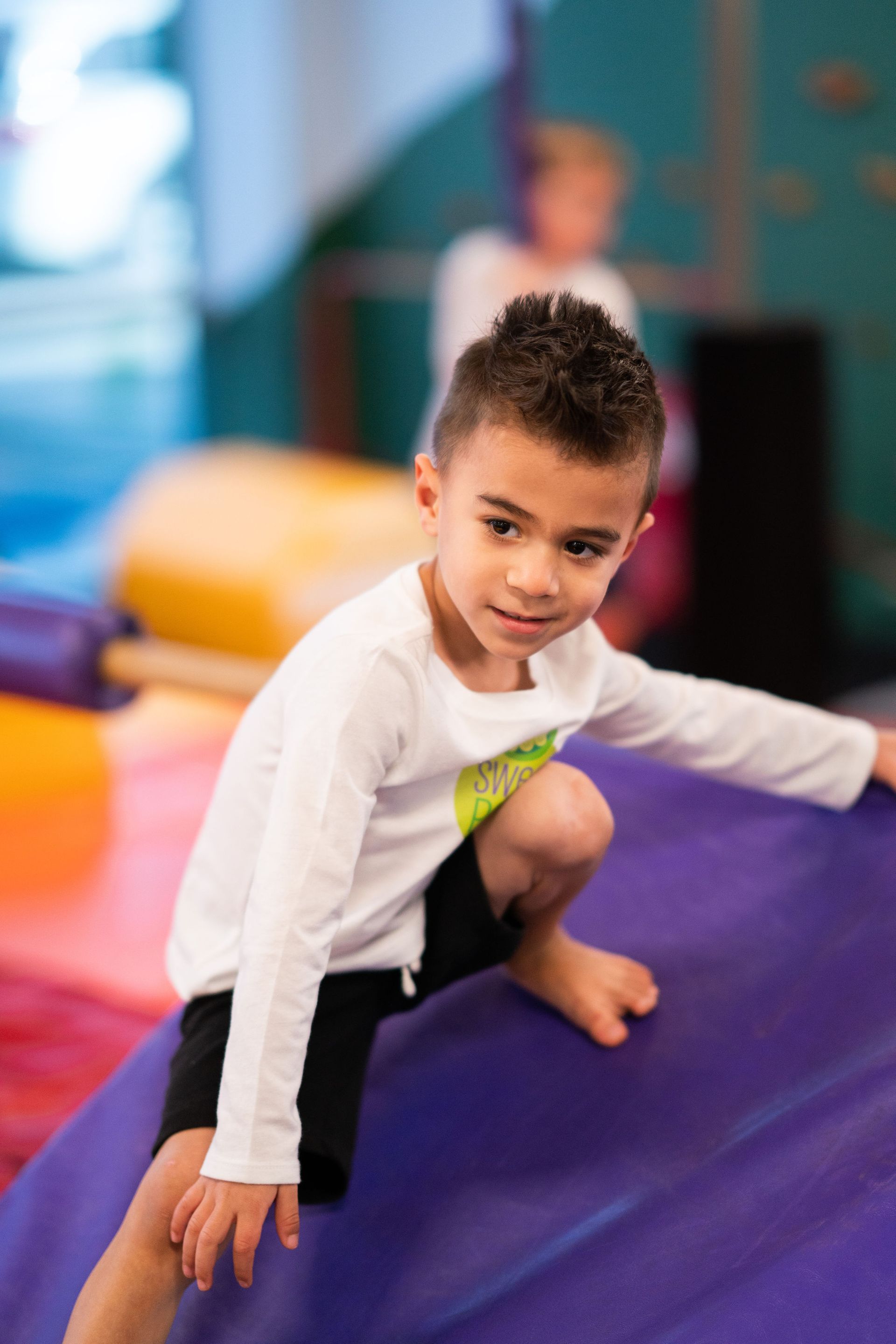
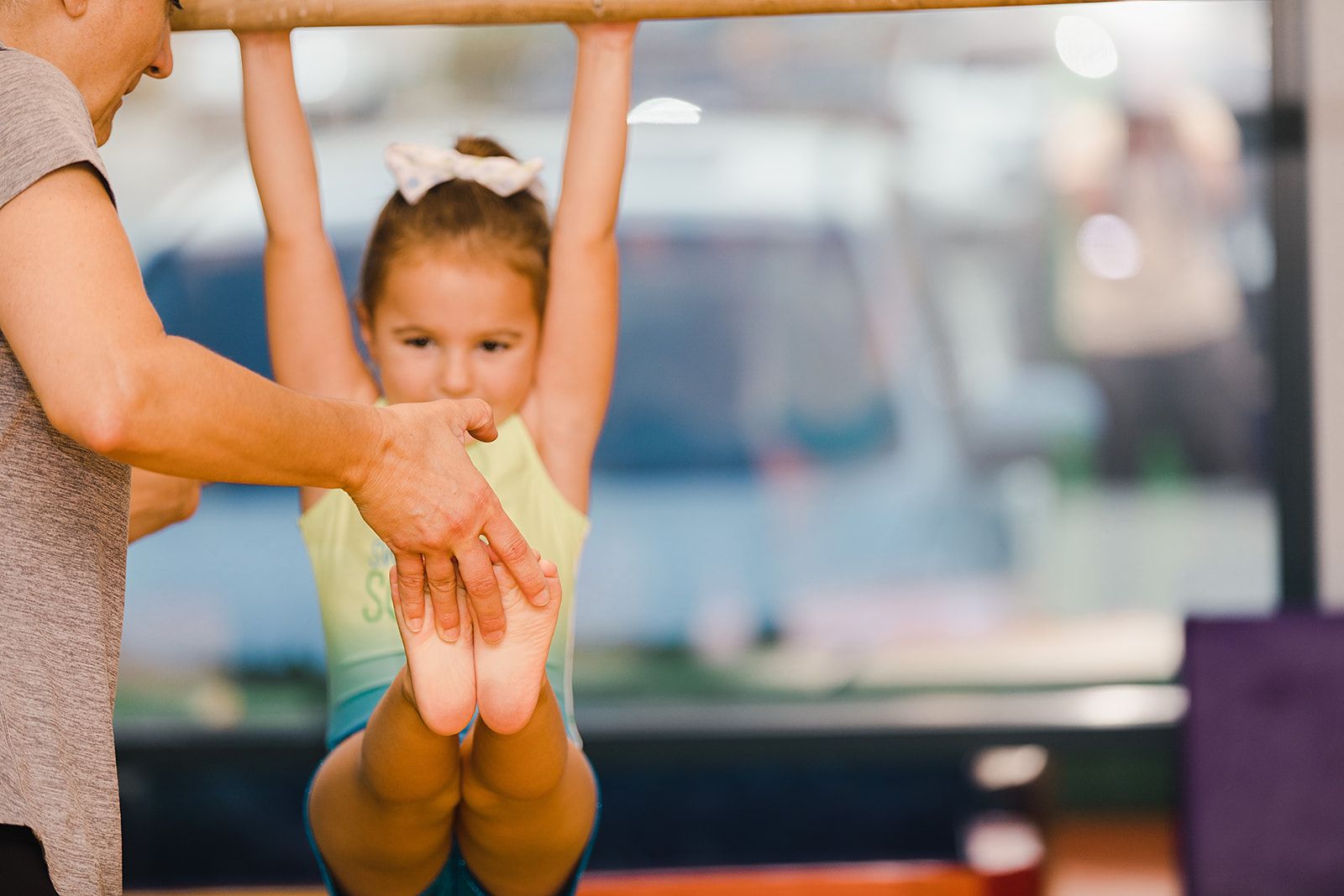
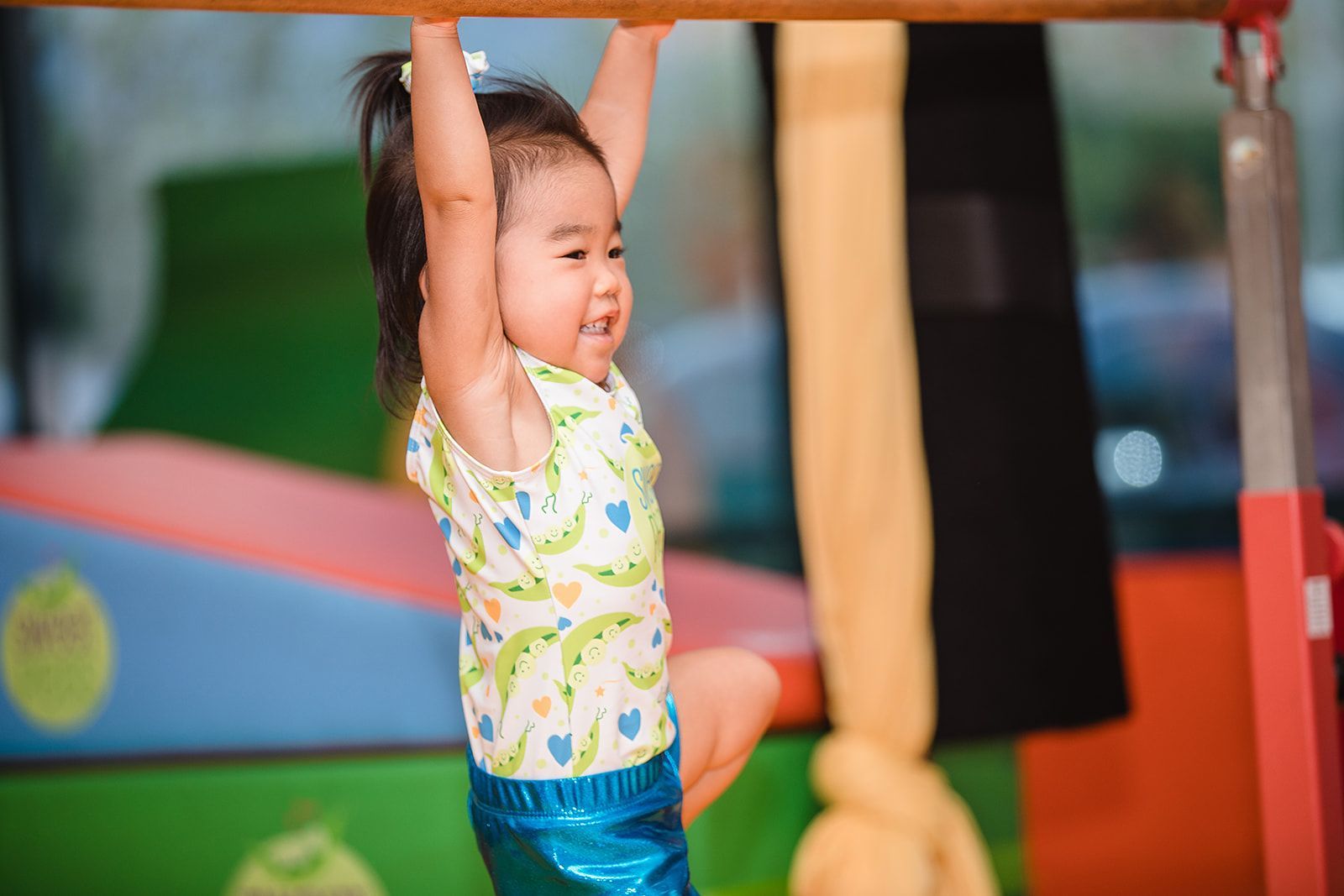
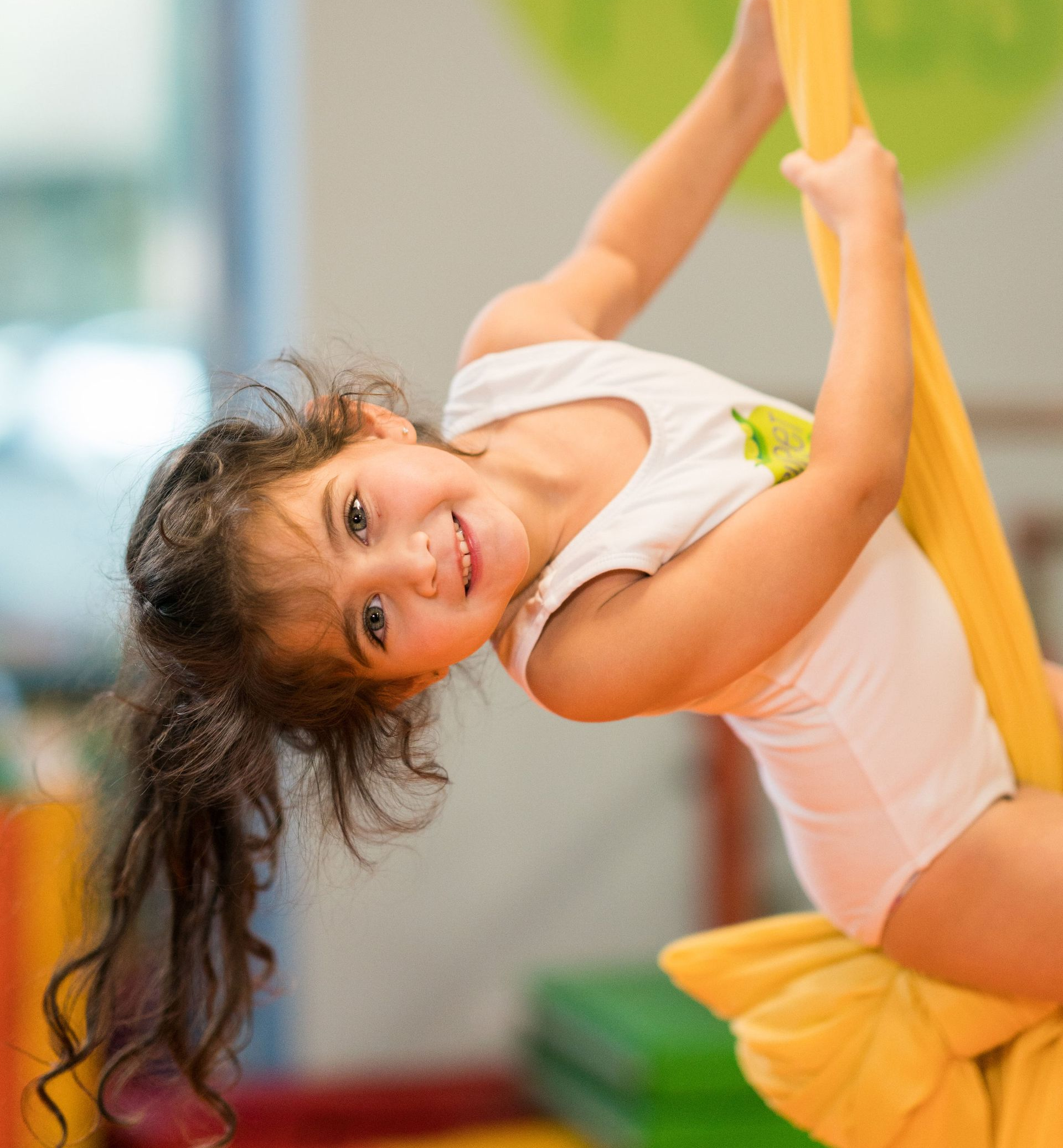
This month as we work on our forward rolls, cartwheels, straight hangs and glide-swings... and as we foster motor planning, balance and bilateral coordination, we will also be focusing on the benefits of being silly. Our lesson plan incorporates FUN and encourages students to be brave enough to be silly. We will also help our Sweet Peas shine a light on the unique silliness of their classmates and to enjoy each friend’s happiness without acceptance, encouragement and applause.
There's no person in the world like you, and I like you just the way you are.
-Mister Rogers-